
Slipped Disc
Home - Slipped Disc
Slipped Disc
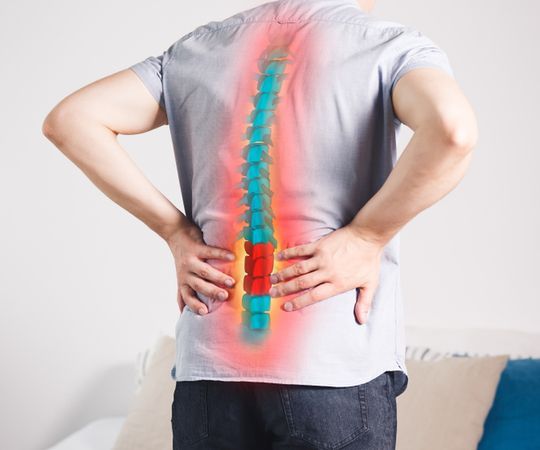
A slipped disc, also known as a herniated or prolapsed disc, occurs when the soft inner portion of a spinal disc pushes through its outer layer. This can put pressure on nearby nerves, leading to pain, discomfort, and reduced mobility. It commonly affects the lower back (lumbar spine) or neck (cervical spine).
Common Causes
- Age-Related Degeneration: Wear and tear of spinal discs over time
- Heavy Lifting: Improper lifting techniques causing strain
- Sudden Injury: Accidents or falls
- Poor Posture: Long-term incorrect sitting or standing positions
- Obesity: Extra weight putting pressure on the spine
Symptoms
- Lower back or neck pain
- Pain radiating to arms or legs (sciatica)
- Numbness or tingling sensation
- Muscle weakness
- Difficulty in movement or bending
Treatment Options
- Rest & Activity Modification: Avoid strain and allow healing
- Medications: Pain relievers and anti-inflammatory drugs
- Physiotherapy: Strengthens spine and improves flexibility
- Hot & Cold Therapy: Reduces pain and swelling
- Advanced Care: Injections or surgery in severe cases
Prevention Tips
- Maintain proper posture while sitting and standing
- Lift heavy objects carefully using correct techniques
- Exercise regularly to strengthen back muscles
- Maintain a healthy weight
- Avoid prolonged sitting or inactivity
Early diagnosis and proper care can help manage slipped disc effectively and prevent complications. If symptoms persist or worsen, consult a specialist for appropriate treatment.